
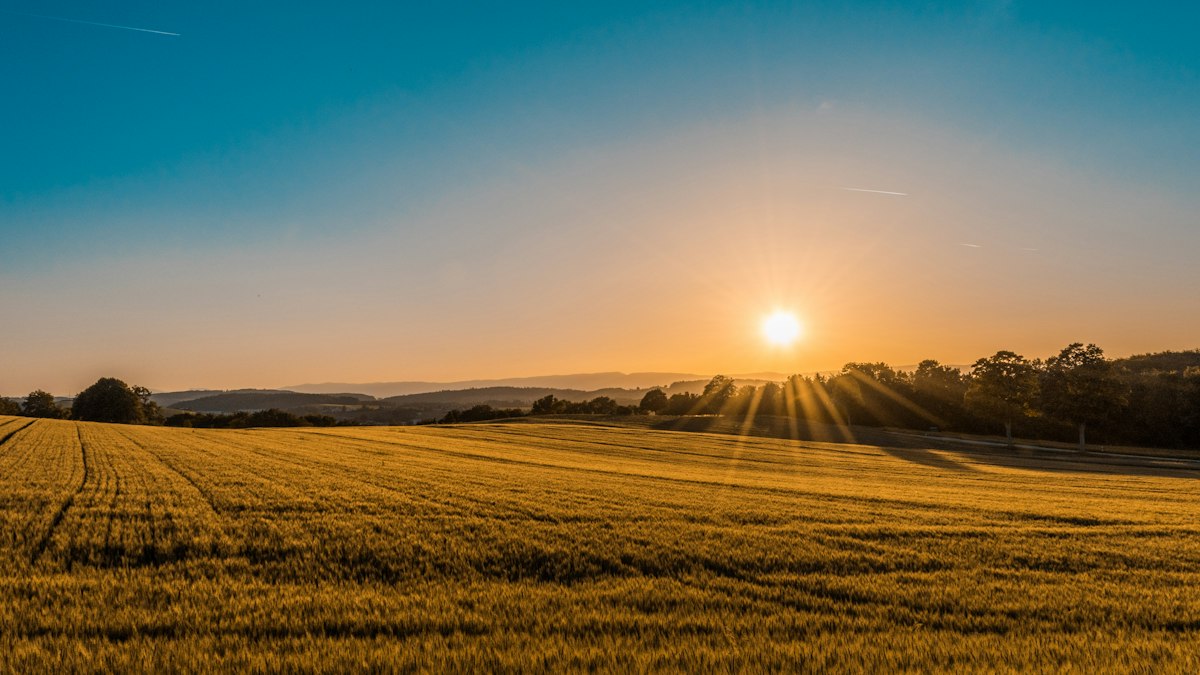
The Alentejo does not try to impress you. There are no neon signs, no rooftop bars, no influencers posing in front of anything. There are cork oaks, wheat fields, white villages, and a quality of light that painters have been trying to capture for centuries without quite getting it right.
We drove south from Lisbon on a Friday afternoon with no reservations, no itinerary, and no plan beyond: eat well, sleep somewhere beautiful, and see what happens. This is what happened.
Friday evening — Comporta
The drive from Lisbon takes about ninety minutes if you cross the Vasco da Gama bridge and head south through the rice paddies. You will know you are close when the road narrows, pine trees close in on both sides, and the light turns golden.
Comporta is a collection of small villages — Comporta, Carvalhal, Brejos — connected by sandy roads and a shared philosophy of doing as little as possible, as beautifully as possible. We checked into a rented villa near the rice fields. The terrace faced west. We opened a bottle of Alentejano white and watched the storks circle.
Dinner was at Sal, a beach restaurant in Carvalhal that serves grilled fish on the sand. The bass was cooked over charcoal and served whole with nothing but olive oil, lemon, and sea salt. Sometimes the best food is the simplest.
Saturday — The coast
Comporta's beaches are long, wide, and backed by dunes. In summer they fill up. In spring and autumn they are almost empty — miles of sand, a few surfers, and the Atlantic doing what it does.
We walked south along the coast from Praia do Carvalhal to Praia do Pego. The walk takes about forty minutes and the only company is seabirds and the occasional fisherman. Pego has a beach restaurant — Restaurante Pego — where you eat grilled fish at plastic tables with your feet in the sand. Order whatever is fresh. It is always good.
In the afternoon we drove to Carrasqueira to see the palafitas — a fishing port built on wooden stilts that extends into the Sado estuary. It is not a tourist attraction. It is a working port where local fishermen tie up their boats. But the geometry of it — the wooden walkways, the reflections, the flat water — is extraordinary. Go at low tide.
Saturday evening — Inland
We drove east toward Grândola and the landscape changed. The coast gives way to rolling hills, cork oak forests, and the kind of emptiness that feels like a luxury. The roads are quiet. The villages are white. Time moves differently here.
We had dinner at Herdade do Esporão's restaurant in Reguengos de Monsaraz — a wine estate that takes food as seriously as its wines. The tasting menu uses ingredients grown on the estate: olive oil, herbs, vegetables, lamb. Paired with Esporão Reserva, it was one of the best meals of the trip. The sommelier knew every vineyard by name.
Sunday — Monsaraz
Monsaraz is a medieval hilltop village overlooking the Alqueva reservoir — the largest artificial lake in Europe. The village has maybe two hundred residents, a castle, three churches, and views that make you forget everything else.
We walked the walls at sunrise before anyone else was awake. The reservoir was still, the sky was pink, and the only sound was a rooster somewhere below. This is the Alentejo's gift: it gives you nothing to do and everything to see.
Lunch was at a small tasca in Reguengos — migas alentejanas (bread crumbs with pork, garlic, and olive oil), black pork cheeks, and a bottle of local red that cost eight euros and tasted like it should cost forty. The owner brought us a slice of sericaia for dessert, unprompted. He said his mother made it that morning.
We drove back to Lisbon in the late afternoon. The Alentejo disappeared in the rearview mirror — cork oaks, then motorway, then the bridge, then the city. It had been forty-eight hours. It felt like a week.
That is the trick of the Alentejo. It stretches time. No other region in Portugal does this. The Algarve entertains you, Lisbon stimulates you, Porto charms you. The Alentejo just lets you be. And somehow, that is enough.